News
Why People Are Swapping Their URL For IRL
You may have seen the phrases “physical” or “analog” media pop up over the past few months, but what does this mean?
We’re officially 6 years on from Covid, and human connection has never felt more disconnected. The world has become too frictionless. AI will think for you, Instacart will shop for you, the algorithm will decide what is cool for you. But people are pushing back.
With the rise of so-called “AI slop” taking over social media and the growing distrust many people have in online platforms such as Meta and X, there has been a shift, especially amongst Gen Z and Millennials, towards going offline.
What does this mean?
We’ve come far since the dawn of social media, pioneered by sites like Facebook and MySpace, but somewhere along the way, we seem to have lost the “social” aspect of it all. These platforms were once about connecting with people across the globe, but now they seem to just be about brand deals and performance.
Global time spent on social media has fallen steadily since its peak in 2022 and is now down almost 10%.
It’s no wonder that long-form media platforms like Substack (which now boasts 20 million monthly active subscribers) are gaining popularity as people crave connection and actual human-made content.
People are swapping their doomscrolling for physical hobbies such as knitting, reading, run clubs, journaling, taking film photography, or just getting outside in nature. They’re embarking on “digital detoxing” trips and opting for slow tech; sales of wired headphones and analog watches have risen, and you can even buy CD players on TikTok shop now.
What is at the centre of all this? A desire to get offline, meet people irl, and rebuild our communities.

What we predict will come from this
Third places
A third place is a social environment outside of your home or work where people gather to connect. These places are often public and accessible spaces such as cafes, libraries, parks, and gyms. They are crucial for building community and reducing loneliness. More and more “third places” will continue to pop up, encouraging in-person connection.
Community-led trips
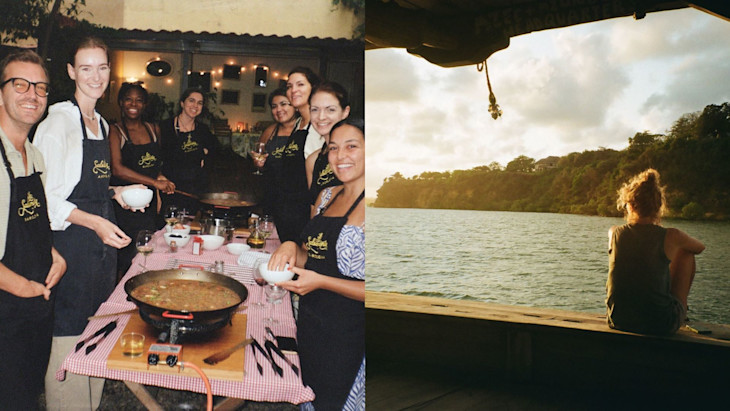
Taking a trip will no longer be solely based on the destination; people will seek experiences that connect them to new people through shared interests and values.
Authentic, slow travel
Country counting is definitely out in 2026! There will be a shift to more authentic experiences, moving away from tourist traps and instead traveling sustainably, supporting local economies and engaging in local cultures.
Long-form content
Platforms like Substack will continue to gain popularity as people fight to get their attention spans back, actively seek online experiences that encourage growth over entertainment
How to join in
Leave your phone at home
We dare you! Even just for an hour to get used to life without it. Or, start slow by leaving your phone in your bag when out for dinner with friends.
Turn off notifications
If leaving your phone at home seems too daunting, try turning your notifications off for unnecessary apps or switching to “do not disturb” mode.
Connect with your local community
Research local community centers, volunteer opportunities, or sports/social clubs. Chat to your local barista and opt for a local food market over a supermarket. No matter where you are in the world, there will always be people looking to connect.
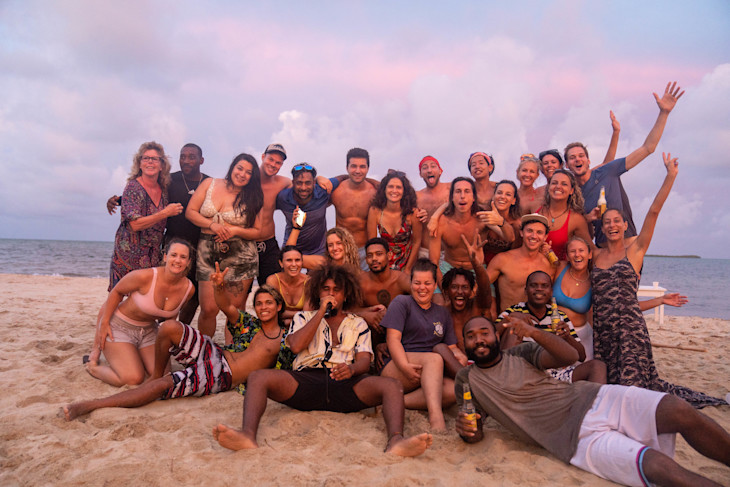
Want to find your community?
If you’re finally ready to go irl, face-to-face, away from the algorithm and make real human connections.
Join a community-led remote work trip designed for people to make real lifelong connections whilst exploring a new destination. If you want to know more, book a call with us, and we’ll answer any questions
BOOK A CALL
Blogs You Might Be Interested In
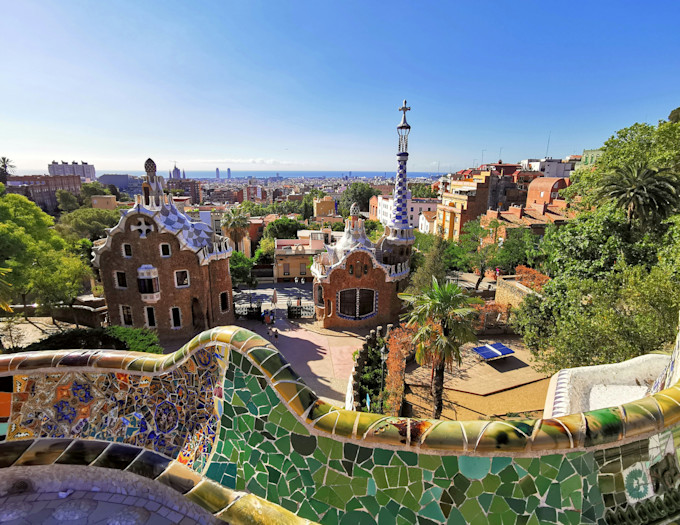
Best Places to Work From in Barcelona
We're here to guide you through the digital nomad lifestyle, and today we’ve got some local recommendations of the best places to work remotely in Barcelona, Spain.
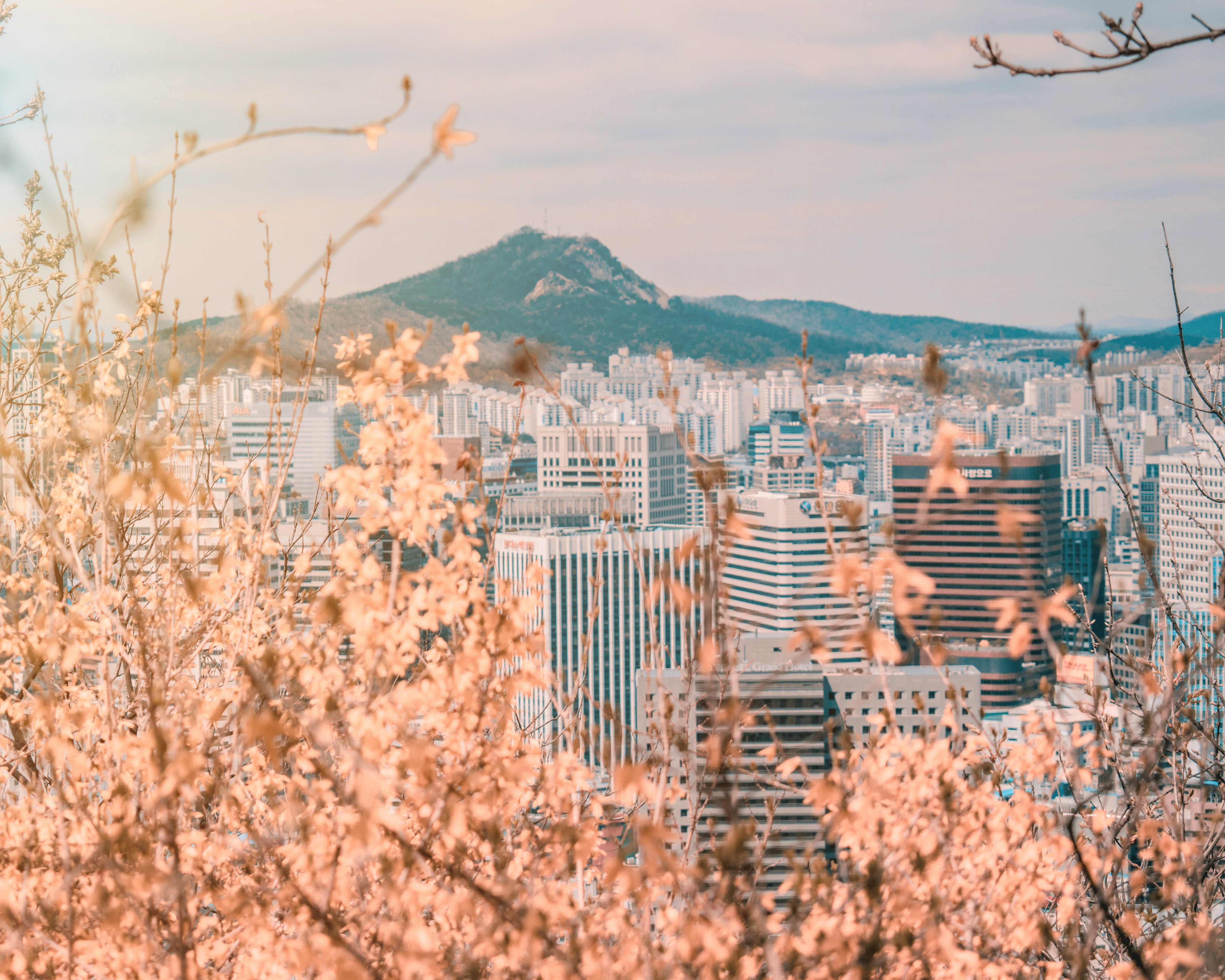
Sustainable Travel in Seoul
Seoul has become a hotspot for eco-conscious travel. Find out more about how they're paving the way for sustainable travel, and what conscious choices you can make.
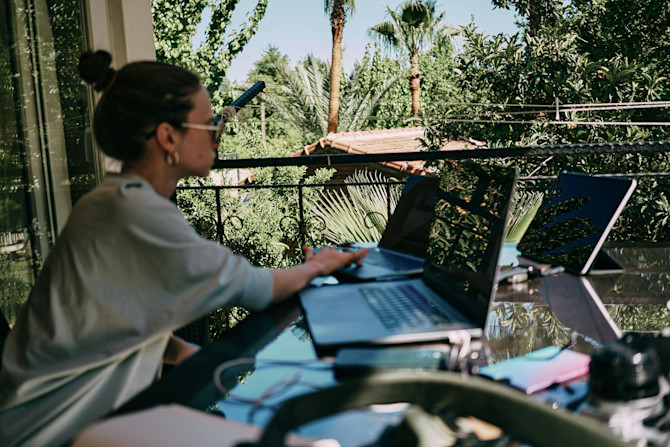
Best Remote Work Destinations for USA Timezones
We’ve compiled a list of great locations for remote workers who work within a North American time zone (PST, CST, EST and MST)