Modern parenting asks us to do something we've never had to do before: raise children in isolation.
The Village Our Parents Had
For our parents and grandparents' generations, kids belonged to a community. They disappeared after breakfast and played outside together until the streetlights came on. Neighbours knew who each child belonged to and kept an eye out for one another. Independence wasn't something parents had to consciously teach; it happened naturally because the environment allowed it.
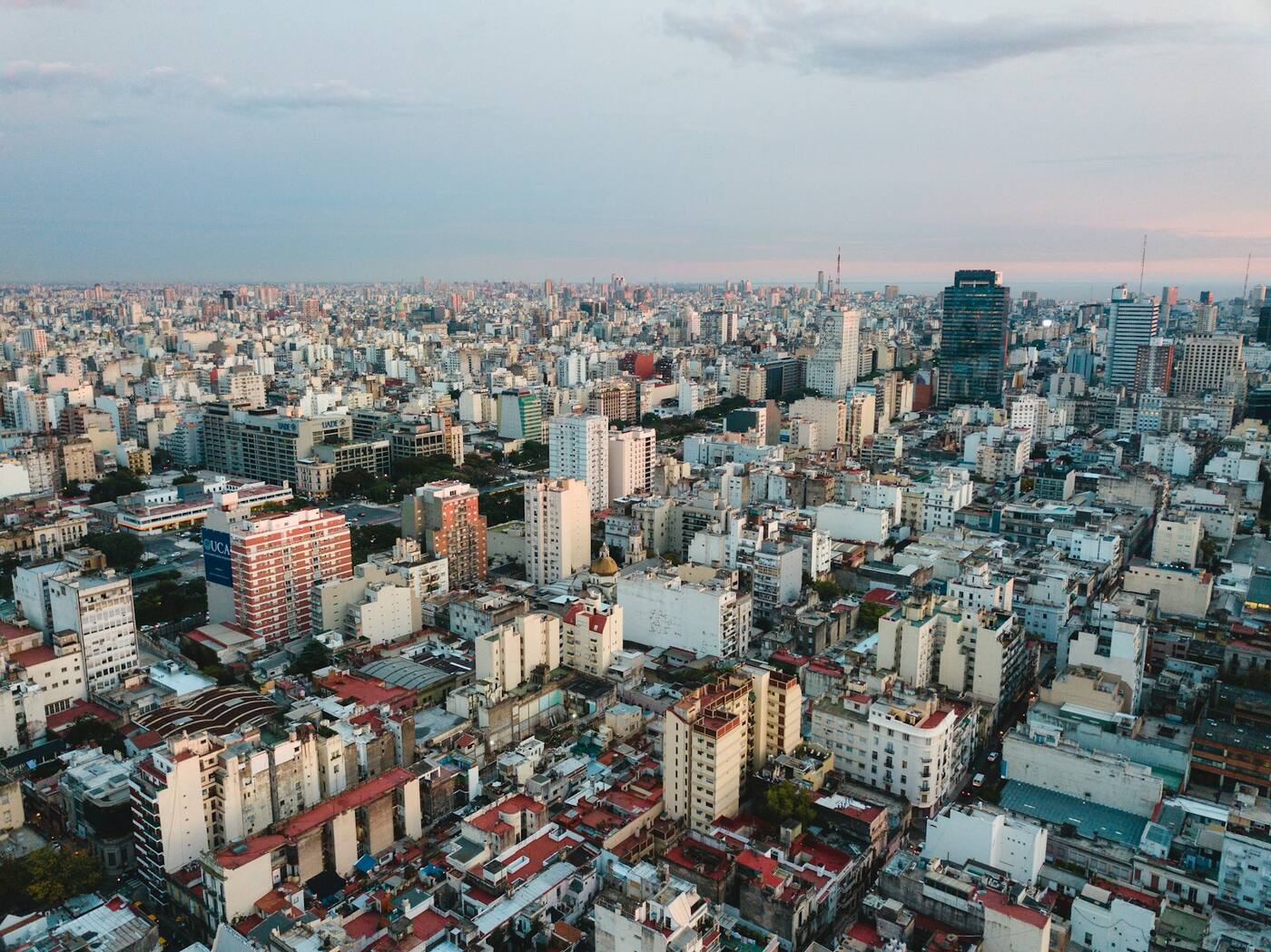
For a lot of families today, especially those living in big cities, that world has all but disappeared. Children spend more time indoors. If they want to see friends, you arrange a playdate. If they need to go somewhere, you drive them. Letting them walk to school alone can feel unthinkable. Even a simple trip to the park comes with a constant mental checklist. Where are they? Can I still see them? What if they run into the road? What if they wander off? What if something happens?
Why Parenting Feels Harder, Even When the World Is Safer
Statistically, many places are safer than they've ever been, but somehow parenting can feel more stressful than ever. We carry an enormous weight of responsibility, amplified by news, social media, and the fear of making a mistake. So, many parents end up spending most of their time alone with their children.
But the reality is, children need other children and adults need other adults. Families need community.
What Happens When 16 Families Share a Village
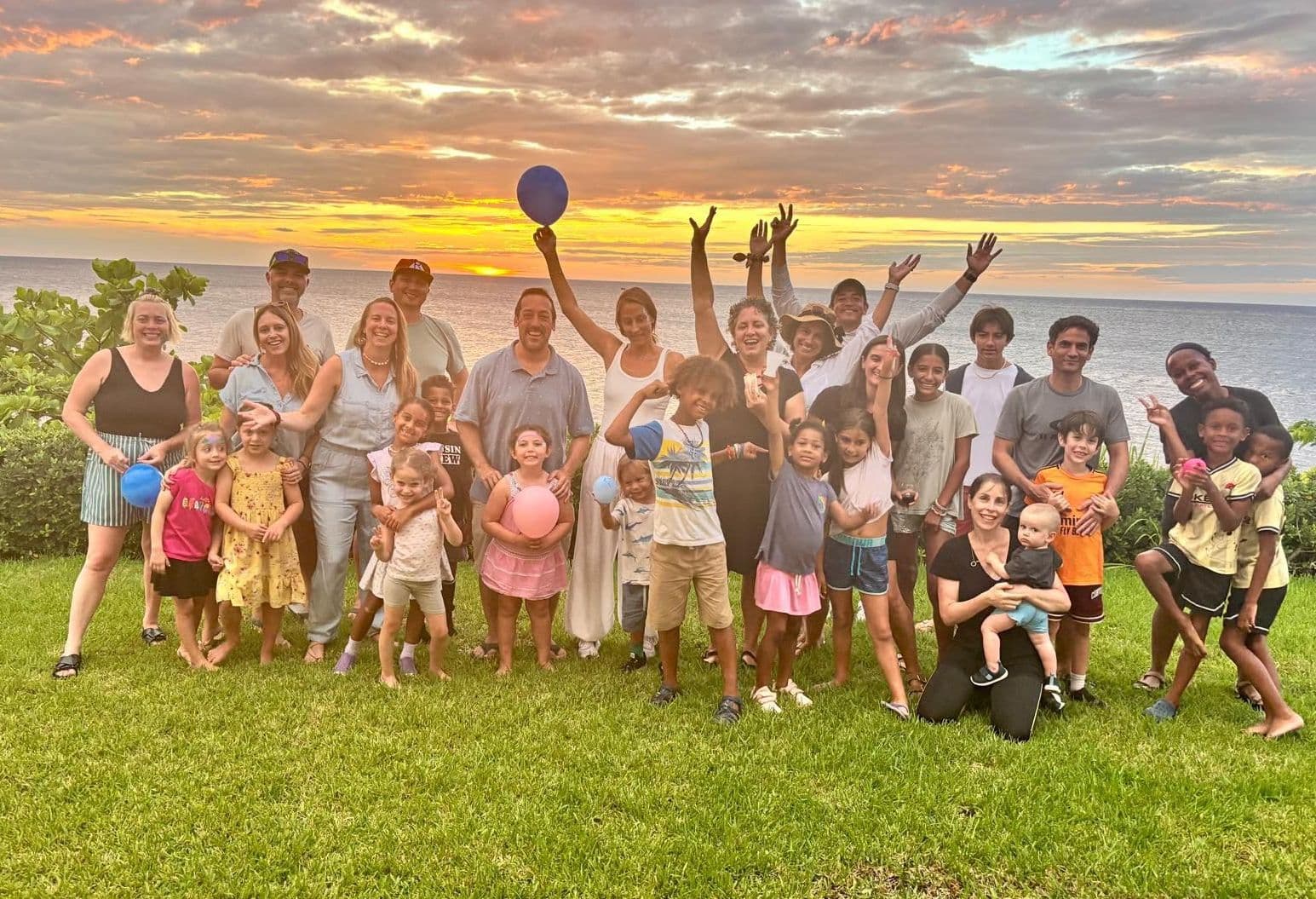
That's one of the biggest shifts we notice on our Noma Family Editions. Sixteen families arrive as strangers, and within a couple of weeks, the children are walking to school together, knocking on each other's doors and disappearing to play football, build sandcastles or explore the beach. Parents are still nearby, but they're chatting over coffee instead of constantly scanning the horizon.
“By dinner time, someone simply says, "Can you go and grab the kids?" Not because nobody's watching, but because everyone is.”
The responsibility doesn't disappear; it's shared. There are more trusted adults, more familiar faces and more children to play with. The kids become more confident because they're given space to be. The parents, often for the first time in a long while, get to relax.
The setting helps with this too. Instead of climbing the sofa, children climb trees. They swim, explore, collect shells, chase crabs and invent games of their own without needing a screen or a scheduled activity. They're simply outside, doing what children have always done.
The Thing Parents Are Actually Missing
And something unexpected happens to the adults as well. You stop feeling like you're permanently "on duty" and you remember what it feels like to have neighbours who become friends, and friends who help without being asked.
It's not about leaving city life behind forever; it's about remembering what family life can feel like when you're surrounded by other families. Because perhaps the thing many parents are missing isn't a bigger house, a better school or another after-school club. Maybe it's the village we've quietly lost. And once you've experienced it again, even for a few weeks, it's surprisingly difficult to forget.
Curious what a few weeks with a village feels like? See our upcoming Family Editions.